Medicinal Plant Awareness

Building Knowledge on High-Value Medicinal Crops

Yomed India provide awareness about medicinal plants by educating farmers, rural communities, and stakeholders on their identification, uses, and economic potential. Our programs focus on bridging the knowledge gap between traditional wisdom and modern scientific understanding of medicinal flora.

Programs highlight:

  1. Importance of medicinal plants in healthcare and wellness
  2. Demand trends in herbal, pharmaceutical, and Ayurvedic industries
  3. Economic benefits of cultivating medicinal plants
  4. Income opportunities through crop diversification

Widely accepted and high-demand medicinal plants such as:

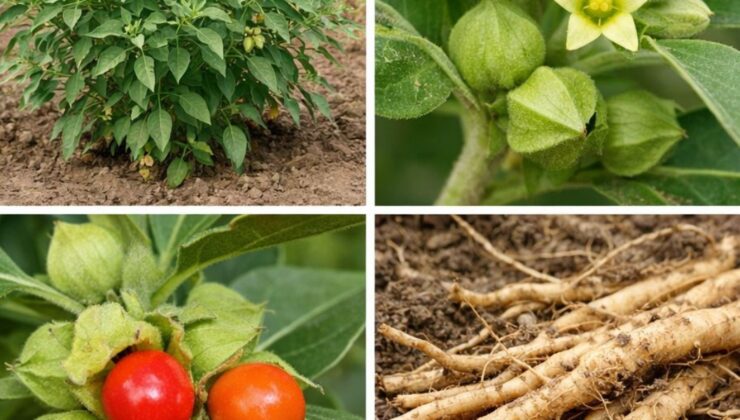
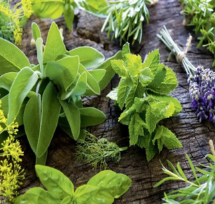
Brahmi, Ashwagandha, Methi, Sallaki, Sunthi (Dry Ginger), Moringa, Tulsi, Kalmegh, Aloe Vera, Safed Musli.

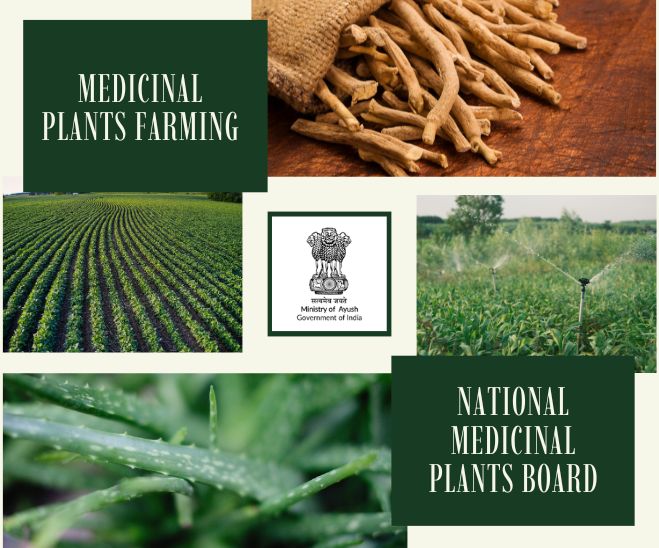
These initiatives align with National AYUSH Mission (NAM), National Medicinal Plants Board (NMPB) guidelines, and India’s focus on herbal and wellness-based rural development.

Farmer Guide

End-to-End Guidance for Medicinal Plant Cultivation

Yomed India provides structured, end-to-end farmer guidance to support successful medicinal plant cultivation across India. Our guidance is practical, field-oriented, and customized according to regional soil, climate, and market demand.

Farmer guidance includes:

  1. Selection of suitable crops such as Ashwagandha, Tulsi, Kalmegh, Aloe Vera, Moringa, and others based on soil and climate
  2. Land preparation and organic input planning
  3. Nursery raising and plantation techniques
  4. Crop maintenance, pest and disease management
  5. Harvesting methods and post-harvest handling
  6. Drying, grading, and primary processing practices

We integrate best practices recommended by institutions such as NMPB, AYUSH, and agricultural universities, ensuring farmers follow approved and market-accepted cultivation methods. Our objective is to reduce risk for farmers while improving yield quality and profitability.

Herbal and Ayurveda Promotion

Strengthening the Herbal and Ayurvedic Ecosystem

Yomed India actively promotes herbal and Ayurvedic value chains by supporting the cultivation, quality assurance, and supply of medicinal plant raw materials. Our approach strengthens the connection between farmers, institutions, and the herbal industry.

Our promotional activities include:

  1. Encouraging cultivation of Ayurveda-recognized medicinal plants
  2. Supporting sustainable and chemical-free farming practices
  3. Promoting traditional herbal knowledge with modern relevance
  4. Strengthening supply chains for herbal and wellness industries

These efforts contribute to national initiatives such as AYUSH sector development, Atmanirbhar Bharat, and Vocal for Local, while preserving India’s medicinal heritage.

Farmer Training

PAN-India Capacity Building and Skill Development Programs

Yomed India delivers structured farmer training programs across India, focusing on skill development, practical implementation, and long-term sustainability. Our training programs are suitable for farmers, FPOs, NGOs, SHGs, institutions, and society-level projects.

Training modules include:

  1. Introduction to medicinal and aromatic plants
  2. Cultivation practices for Brahmi, Ashwagandha, Moringa, Tulsi, Kalmegh, Aloe Vera, and more
  3. Organic inputs, soil health, and water management
  4. Quality standards, drying, grading, and storage
  5. Market awareness and income planning

Training is delivered through workshops, field demonstrations, and expert sessions, supporting national farmer development and rural livelihood programs.

AYUSH & Government Program Facilitation
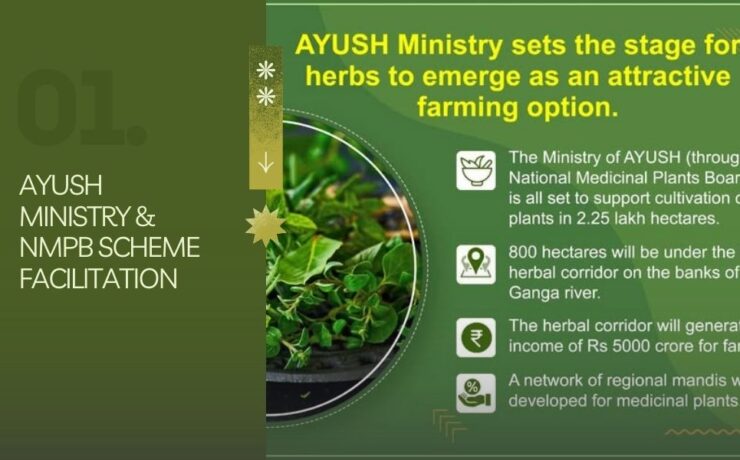
• Guidance on Ministry of AYUSH and National Medicinal Plants Board (NMPB) schemes
• Project proposal preparation (DPR) and grant application support

• Documentation, compliance, and reporting assistance
Services for Ayurveda Colleges & Universities
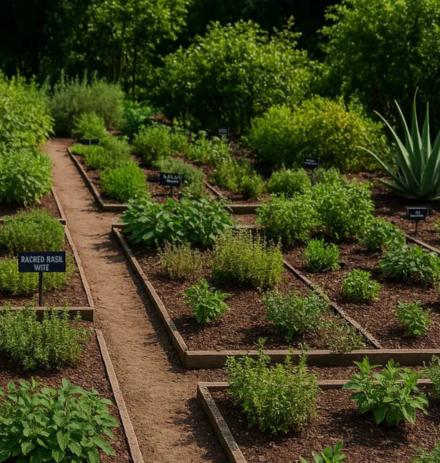
• Development of medicinal plant gardens and herbal parks
• Research project design at UG / PG / PhD levels
• Industry–academia collaboration and MoUs
• Seminars, workshops, and capacity-building programs
Medicinal Plant Research, Promotion & Outreach
• National and state-level conferences and seminars

• AYUSH awareness and outreach programs

• Support for herbal startups and innovation initiatives
Since 2014
Medicinal Plant Awareness

Awareness and Adoption of High-Value Medicinal Plants

We connect AYUSH policies, academic research, medicinal plant development, and innovation to create sustainable growth for Ayurveda colleges, universities, and research institutions.

contract-farming-of-medicinal-plants
Research
Development
Promotion
Guidance
YOMED INDIA

Connecting AYUSH, Academia & Innovation

Testimonials

Here’s what our customers have said.

Simplified IT is designed to help make sure you and your data are protected and your computer.
Portfolio

Explore Our Latest Projects & Recent Works

Why Choose Yomed India?

Complete support from concept development to approvals and implementation.

Expert Guidance
End-to-End Support
Regulatory & Scheme Expertise
Proven Execution Capability
1 +
Project Complete
1 +
Happy Farmers
1 +
Years Experience
General Questions

Frequently Asked Questions

Who is eligible to apply for AYUSH Ministry and NMPB schemes?
Farmers, entrepreneurs, institutions, NGOs, companies, and research organizations involved in AYUSH and medicinal plant activities are generally eligible, subject to scheme guidelines.
What types of activities are supported under NMPB schemes?
Schemes support cultivation, conservation, post-harvest management, processing, marketing, research, and training related to medicinal plants.
What financial assistance is available under these schemes?
Financial support varies by scheme and activity and may include subsidies, grants-in-aid, or cost-sharing assistance as per approved norms.
What documents are required to apply for the schemes?
Common documents include project reports, land records or lease agreements, KYC documents, bank details, and relevant registrations.
How long does the approval process usually take?
Timelines depend on the specific scheme and authority, but approvals typically take several weeks to a few months after submission and scrutiny.